Llluvia Metropolitana
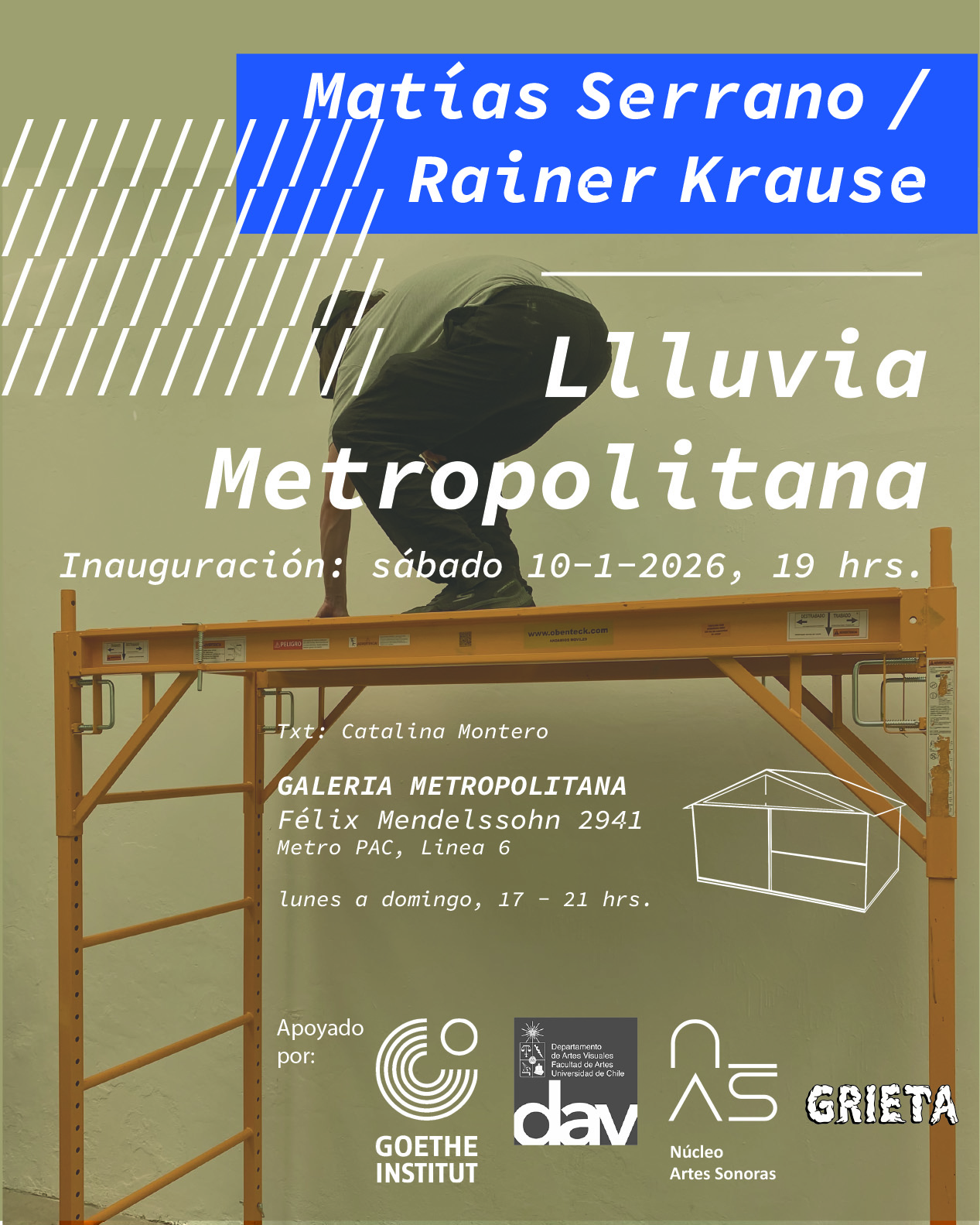
Site- and time-specific exhibition project together with Rainer Krause at Galería Metropolitana, January 10–30, 2026. Santiago, Chile.
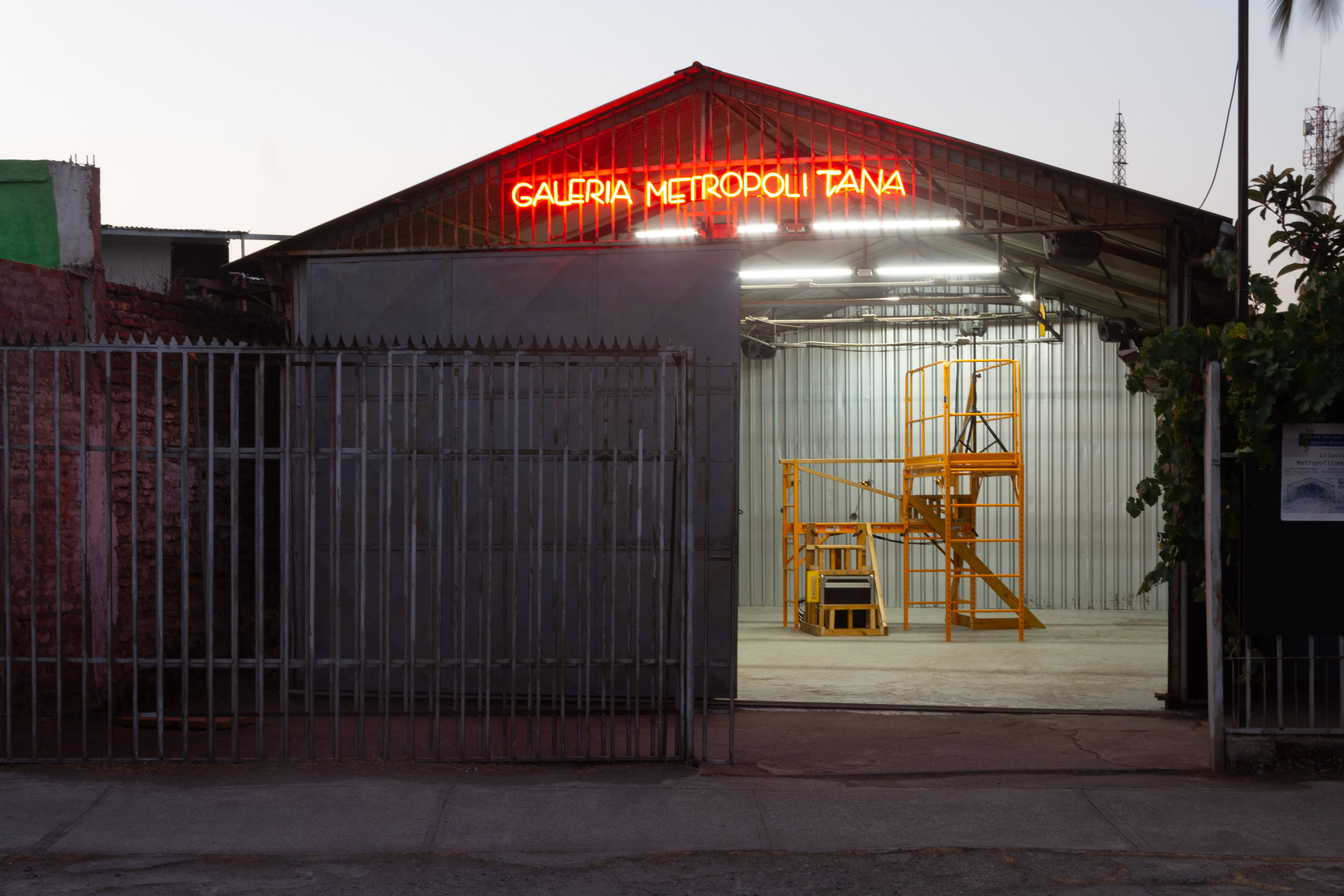
Photo: Ash Aravena
Exhibition supported by Goethe-Institut
This project was made in collaboration with Plataforma Grieta and the Departamento de Artes Visuales de la Universidad de Chile
Installation support by María Ignacia Valdebenito
Thanks to Aylén Ayala, Vicente Espinoza, Fernanda Fábrega, Estefi Leighton, Ángel Olivares, Carolina Miguieles, Pamela Reyes, Zapa and Anita
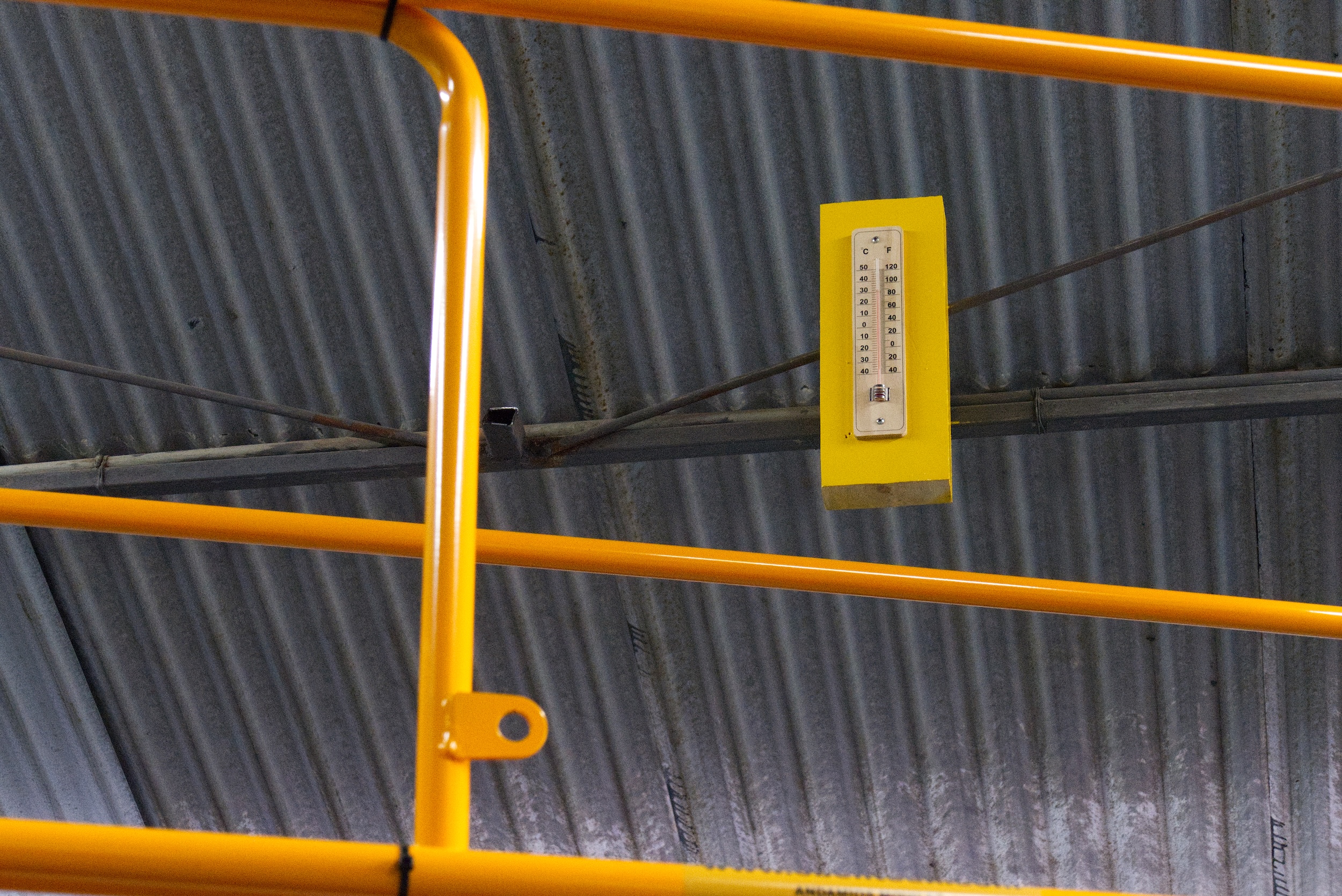
Photo: Carolina Miguieles
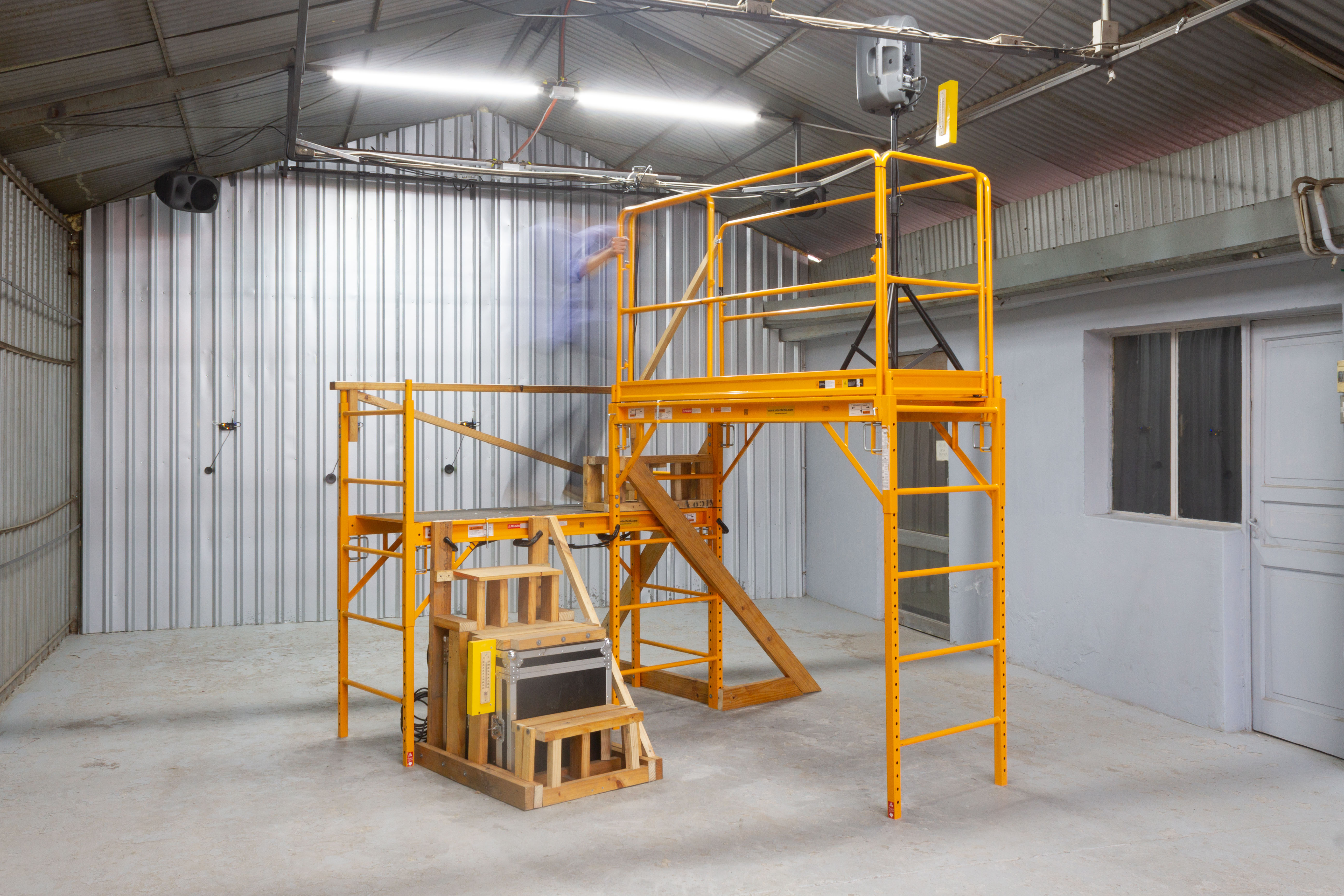
Photo: Ash Aravena
Description
The exhibition project consists of a single large work assembled from elements co-constructed between Rainer and Matías, and from exercises carried out independently. The core of the show is the sound of rain, which was recorded through a system of 4 microphones installed near the zinc roof of the space during June, July and August of 2025, capturing in a remotely controlled computer the sound of each rain event. In total, approximately 164 GB of audio were recorded, equivalent to around 126 hours of 4-channel audio. These were edited and mixed into a 4-hour soundtrack, which plays in the room during the gallery's opening hours.
One characteristic of this type of architecture is that the heat increases as one approaches the roof, which triggered the idea of installing scaffolding that would allow visitors to reach the upper part of the gallery, where a speaker with a detailed sound of individual drops is located, alongside a thermometer indicating the current temperature at that point. This temperature can be compared with another thermometer installed at the base of the scaffolding, where the playback and amplification equipment is also hidden inside a box. Around it, and throughout the scaffolding, interventions were made with reclaimed wood, serving multiple functions: reinforcing the structure, forming steps to facilitate climbing, and aesthetically counterbalancing the industrial with the handmade.
Additionally, the artists each contributed individual sections to the show: Rainer proposed 4 drawings made with watercolor, Indian ink and graphite pencil on paper — two of them sketches through which the project was outlined — as well as a conceptual exercise around the digital storage of the sound of rain, and an allegorical image of the universal flood. Meanwhile, Matías proposed three electronic circuits that generate a sound similar to that of rain, along with the blinking of a small LED indicating that arrhythmic movement. Each of the electronic boards includes a paraphrase of an author: Steve Reich, Quentin Meillassoux and Tim Ingold.
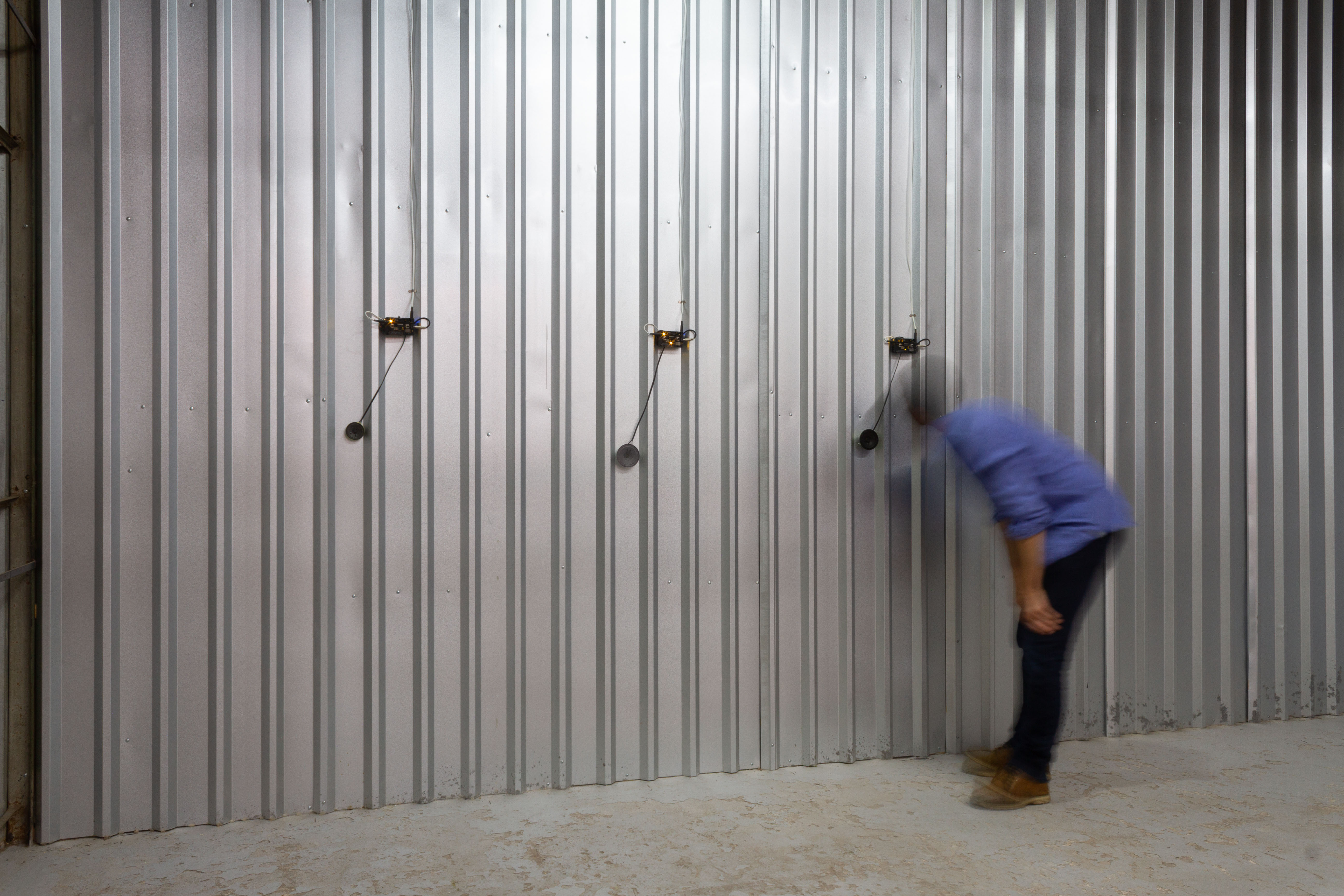
Photo: Ash Aravena
Curatorial text by Catalina Montero
To speak of rain is to open a conceptual map full of typologies. Dew, drizzle, showers, downpour, mist, storms. To speak of rain is also to open a channel full of metaphors. That the sky is crying, that it's raining cats and dogs, that it's raining buckets. Rain is undoubtedly more than a drop of water — it is cadence and rhythm, it is the unfolding of time. Perhaps it is for all this that it has been the object of desire and the sign used by artists from all over the world to create. For some, rain can be the sound that keys make when we write. For others, rain is the repetition of a symbol on paper. For Matías Serrano and Rainer Krause, rain is a system of relations between time, sound and materiality. For if we think of rain as a continuum that exists before and after us, in spite of us, then we might ask how to name that rain that falls and no one hears.
Llluvia Metropolitana emerges around a sonic premise that intentionally engages sensory experience with climate. The artists installed a recording system on the zinc roofs of the gallery during the winter rainy season. Part of this recording is presented from a height we can reach by climbing the reinforced scaffolding. What is proposed, then, is an encounter with a previous rain — or perhaps a rain on pause — which, against the hot and dry atmospheric sensation typical of January in the city, proposes at least a dissonance.
To this are added the various pieces in the room, with the aim of establishing ///uvia as a possibility — as an unbounded field of association in which the quantification of drops, or the critical reading of the history linking rain to catastrophe, allows us to imagine rain beyond the form of its word, beyond its reading as a phenomenon or allegory laden with moral weight. Thus, the rains in this show seek to free themselves from their understanding as stratum and to shake off fetishization, exploring whether it might be possible to actualize their liberation from human experience.
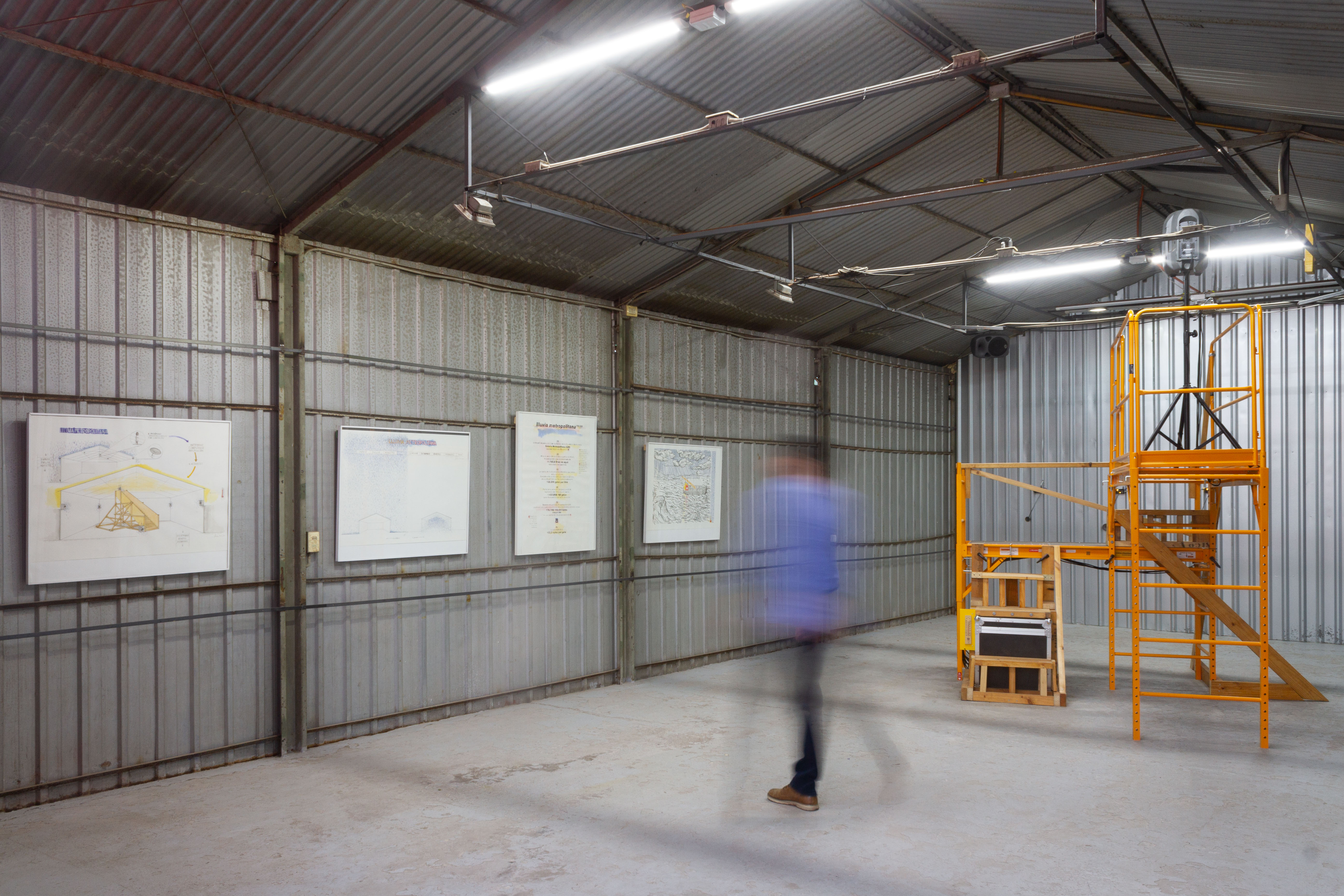
Photo: Ash Aravena
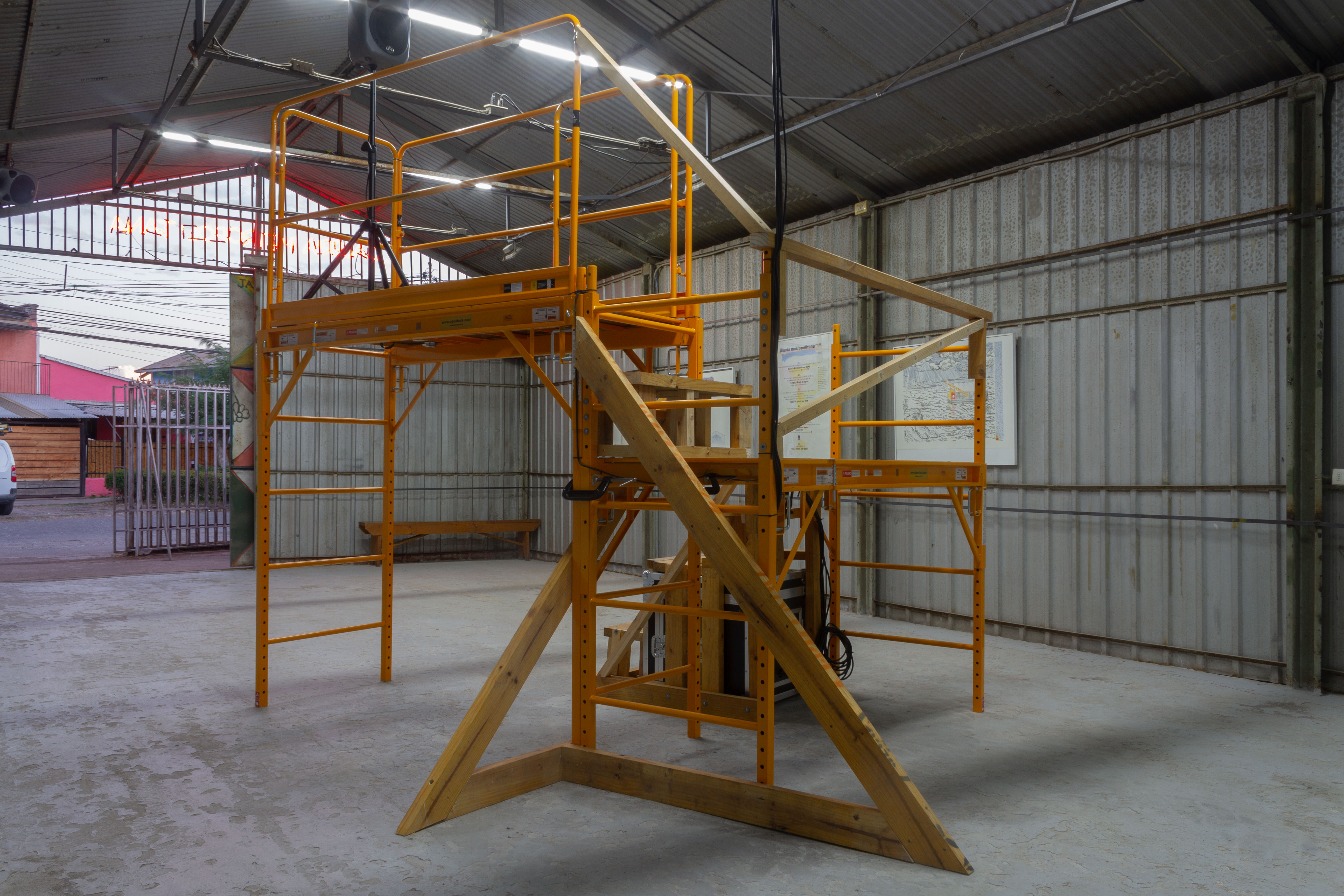
Photo: Ash Aravena
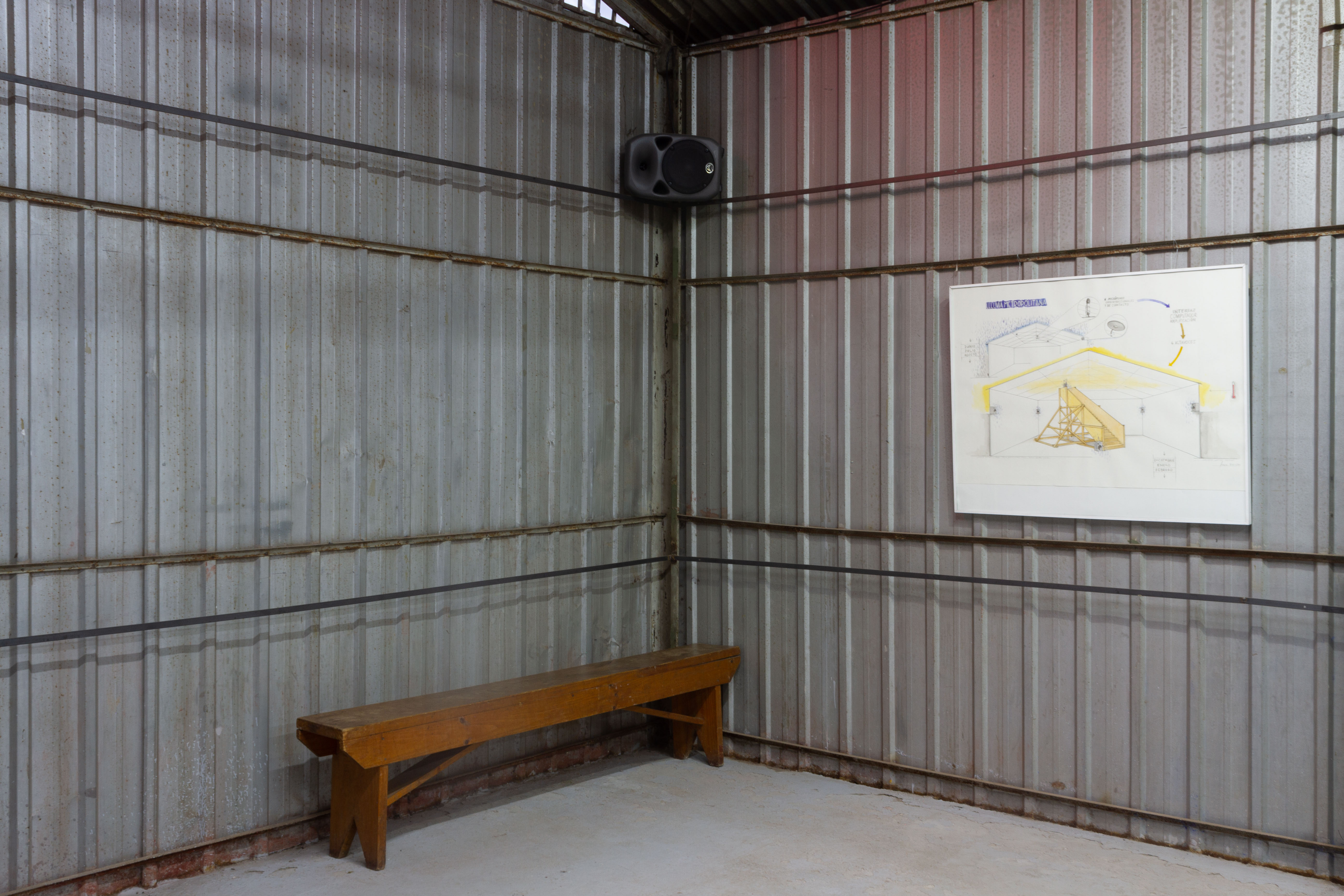
Photo: Ash Aravena
Electronic Boards
The circuit uses an NPN transistor in a configuration that generates pink noise. With the base connected to negative, the emitter to positive and the collector left disconnected, an inverse conduction is generated through the base-emitter junction. This configuration creates random current fluctuations that produce variations similar to pink noise, resembling the sound of torrential rain. This signal is fed to a simple comparator, where a potentiometer can control how many "drops" are let through.
More information on operation and electronic design on GitHub
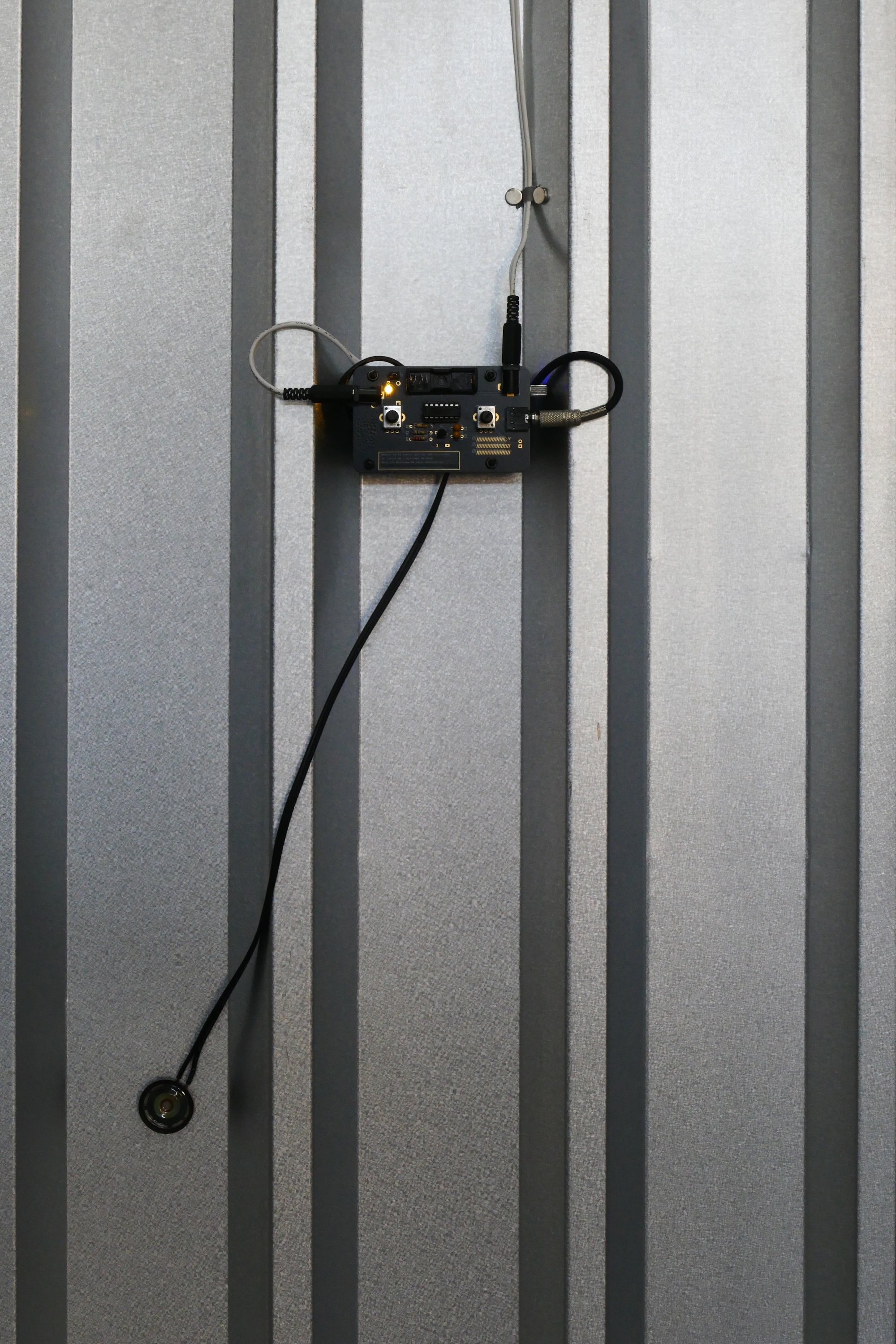
Photo: Carolina Miguieles
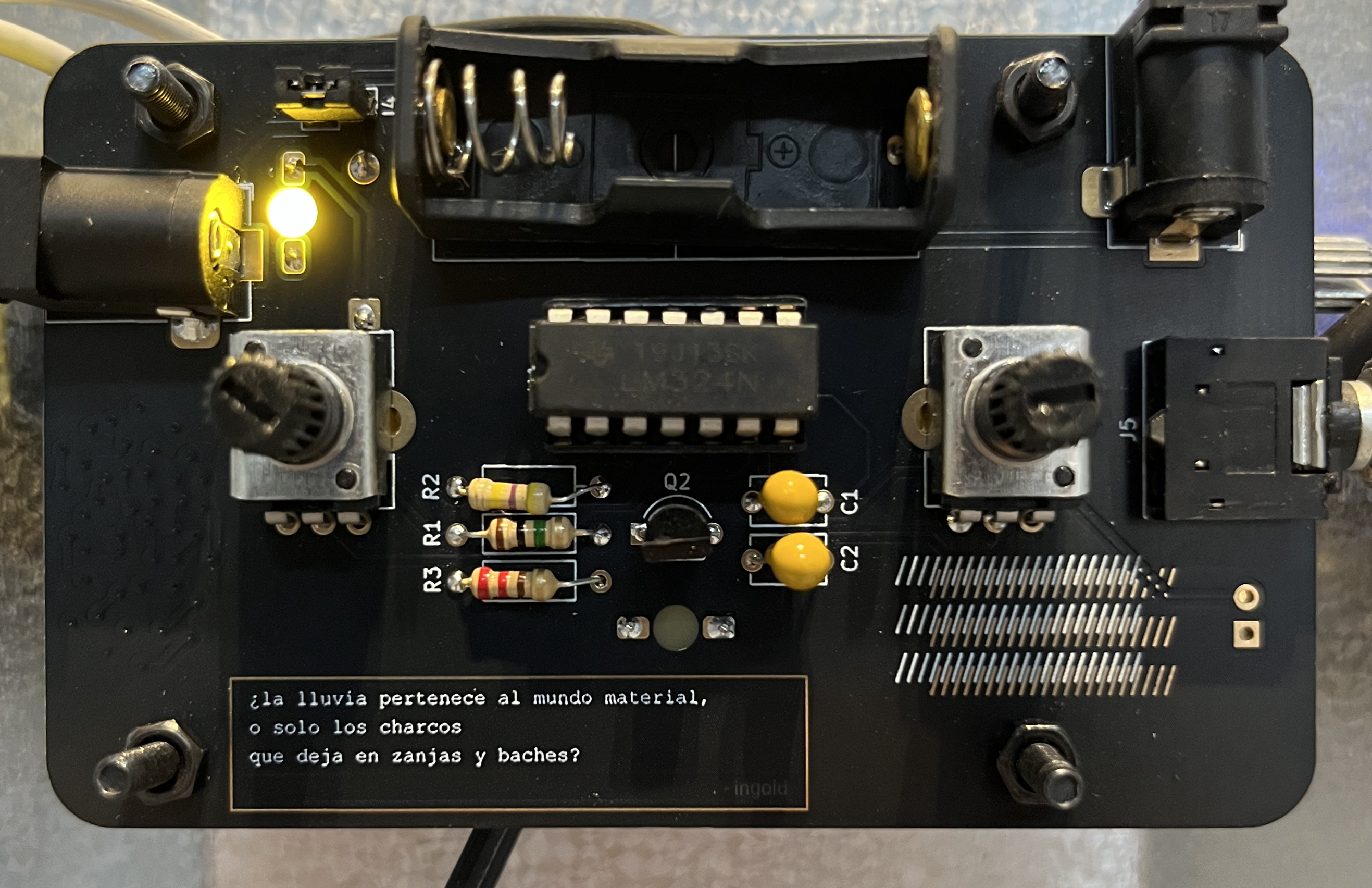
Board detail and quote by Ingold. Photo: Matías Serrano
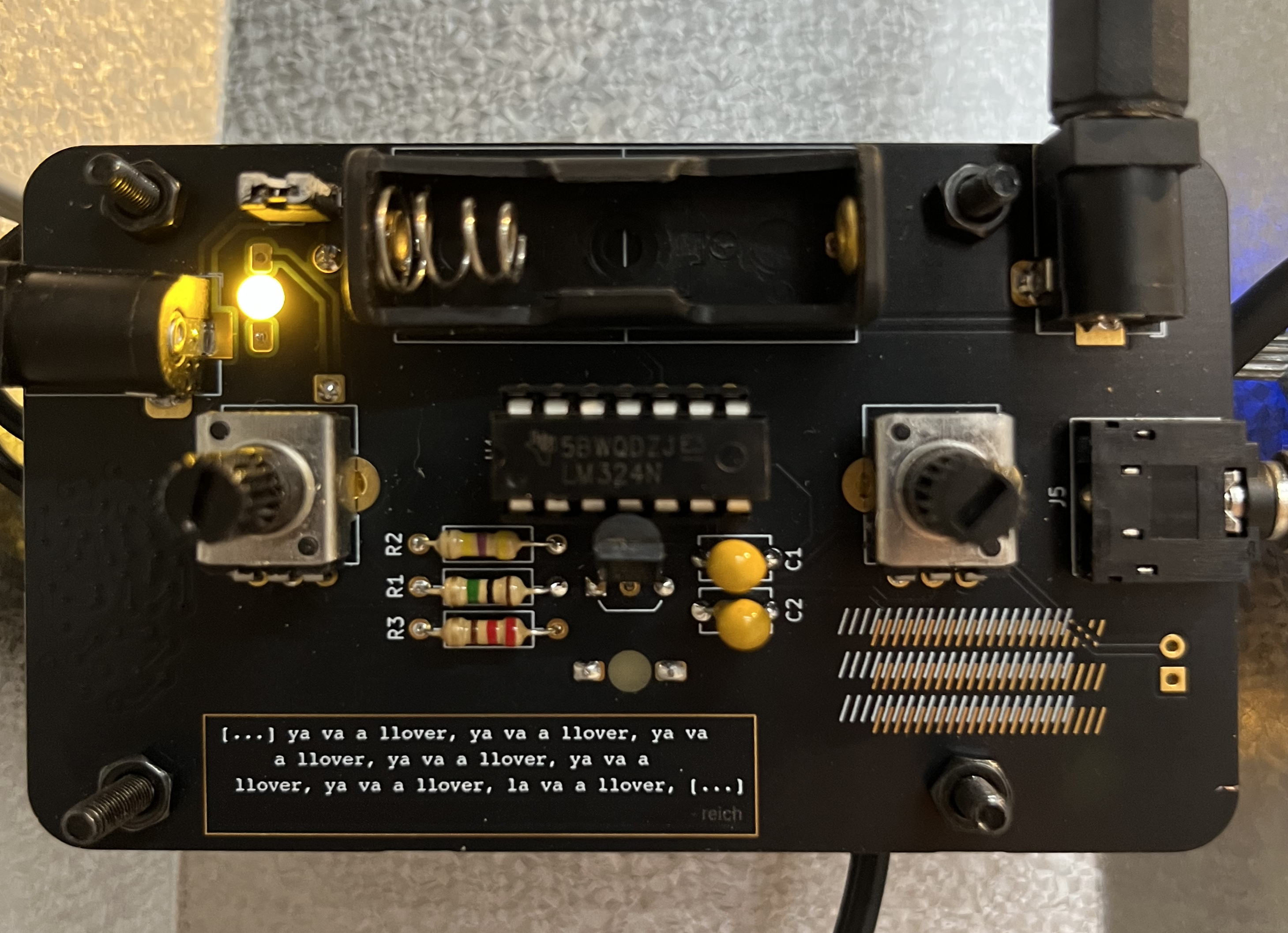
Board detail and quote by Reich. Photo: Matías Serrano
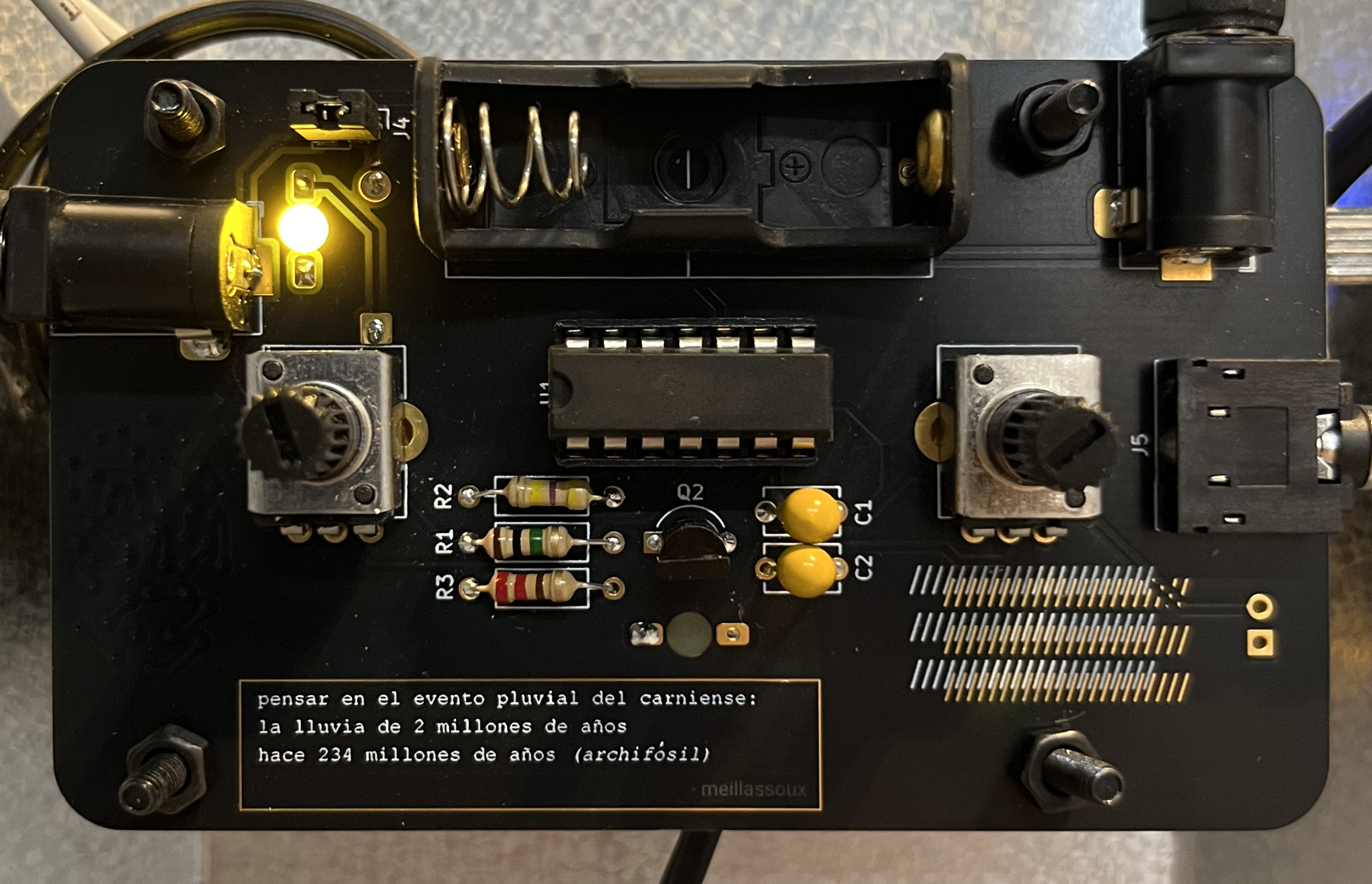
Board detail and quote by Meillassoux. Photo: Matías Serrano
Drawings
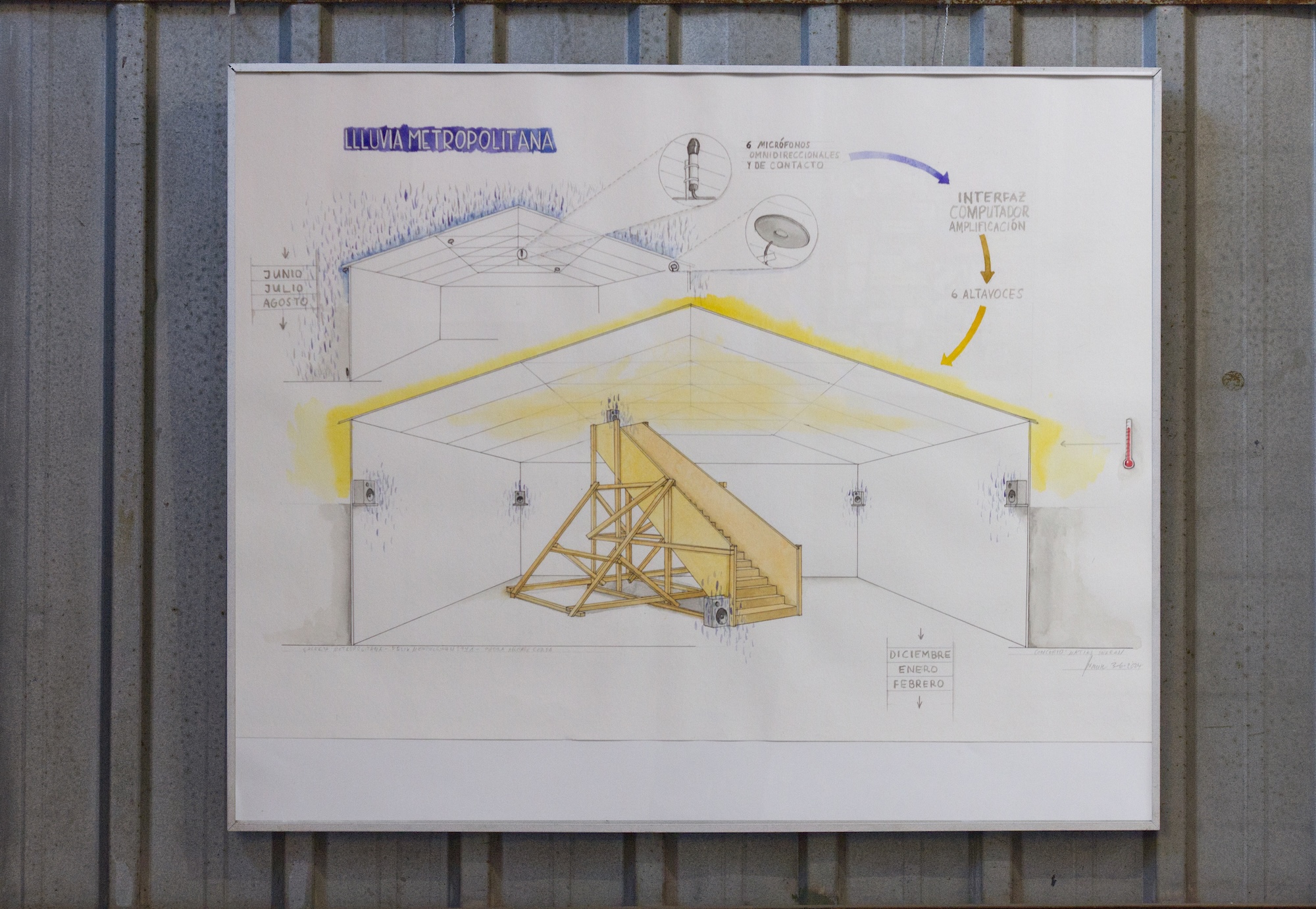
Photo: Carolina Miguieles
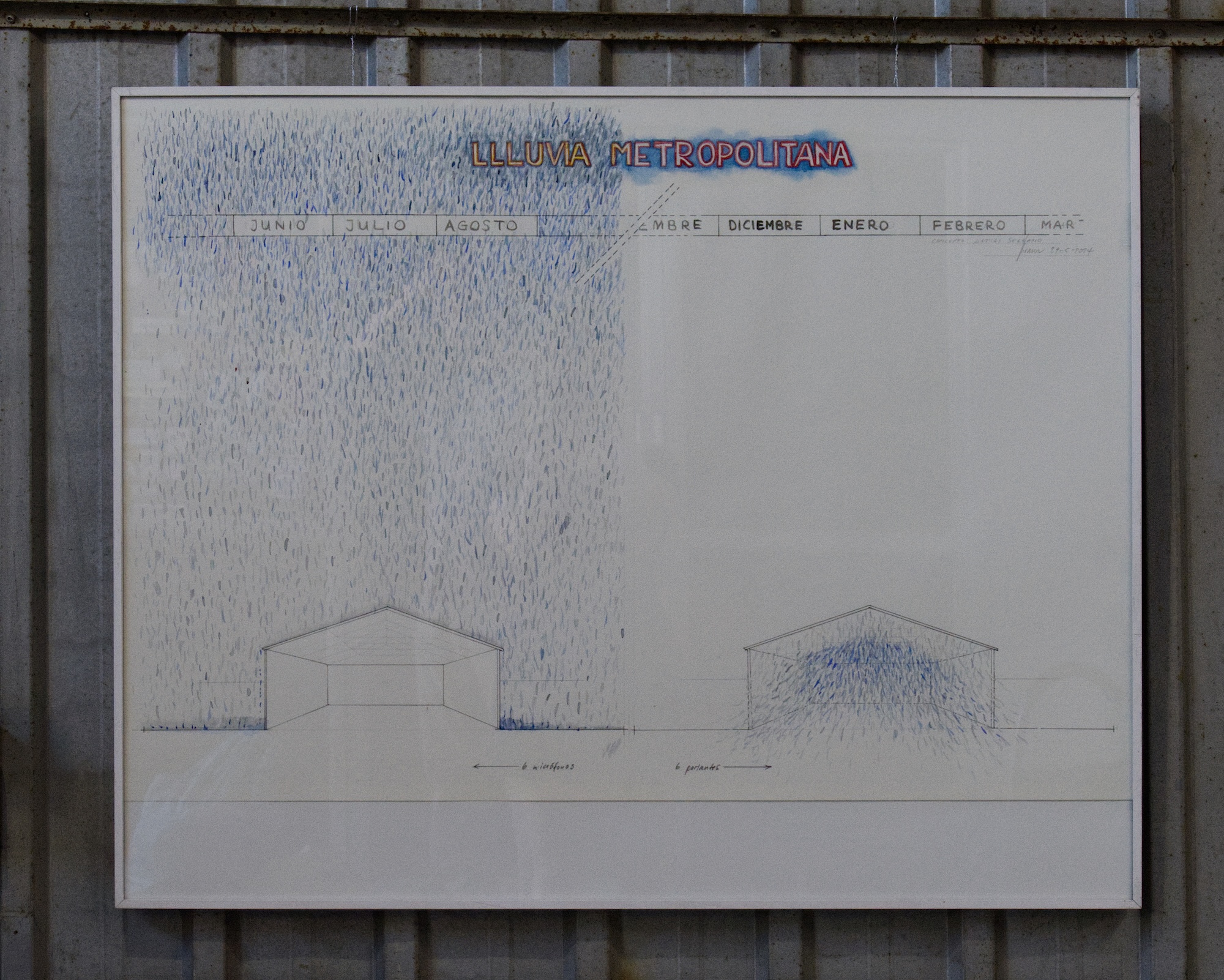
Photo: Carolina Miguieles
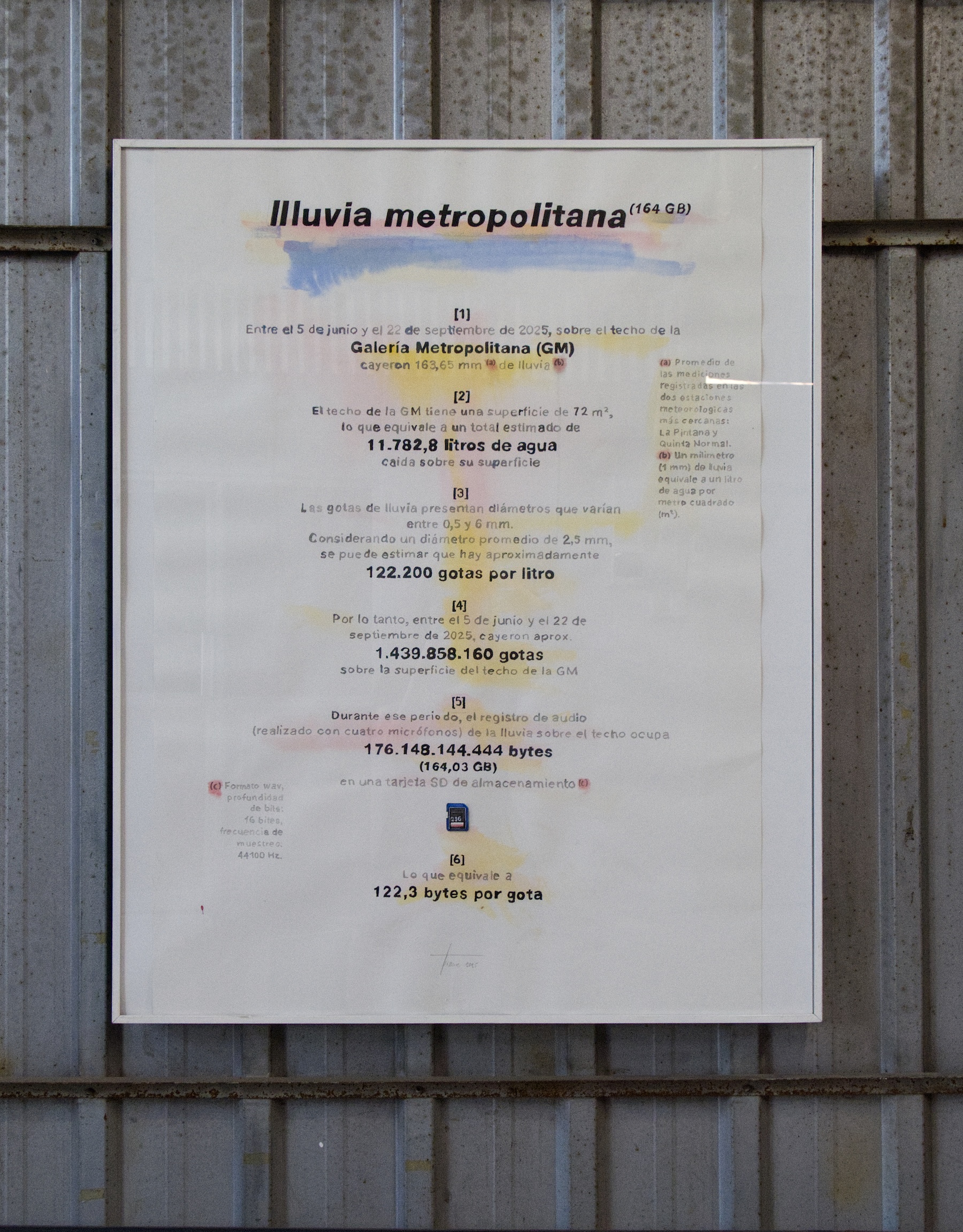
Photo: Carolina Miguieles
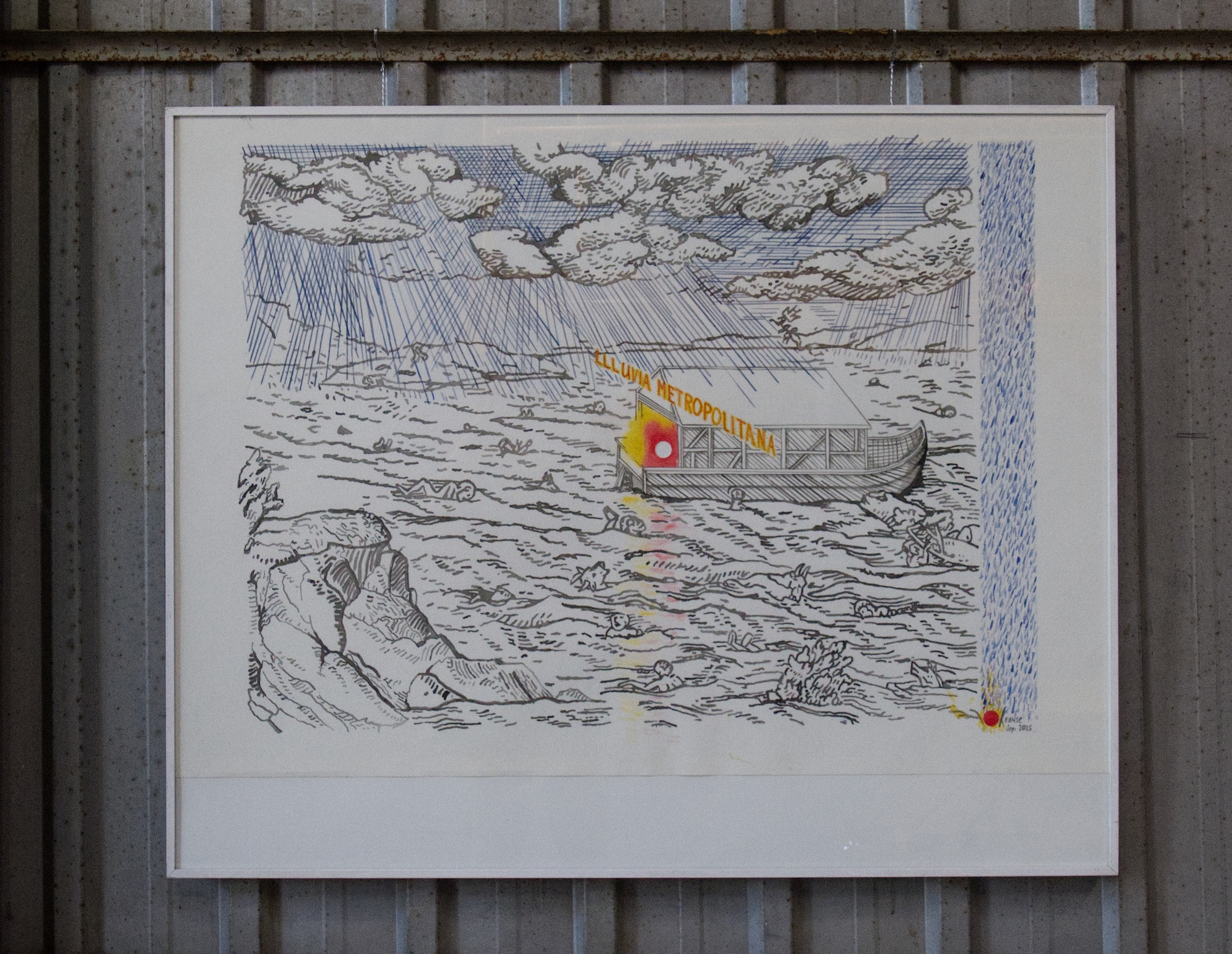
Photo: Carolina Miguieles
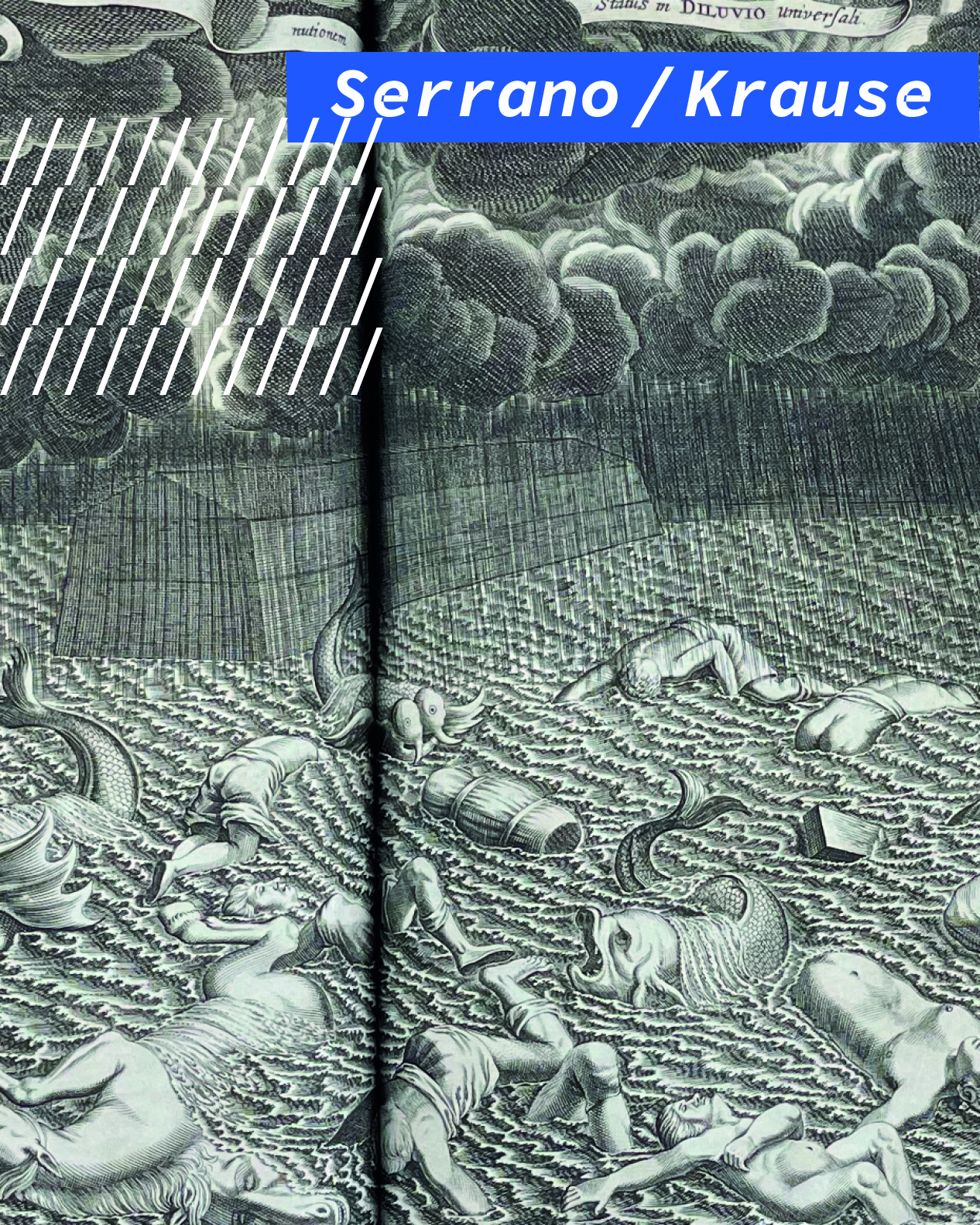
Posters (by Rainer Krause)
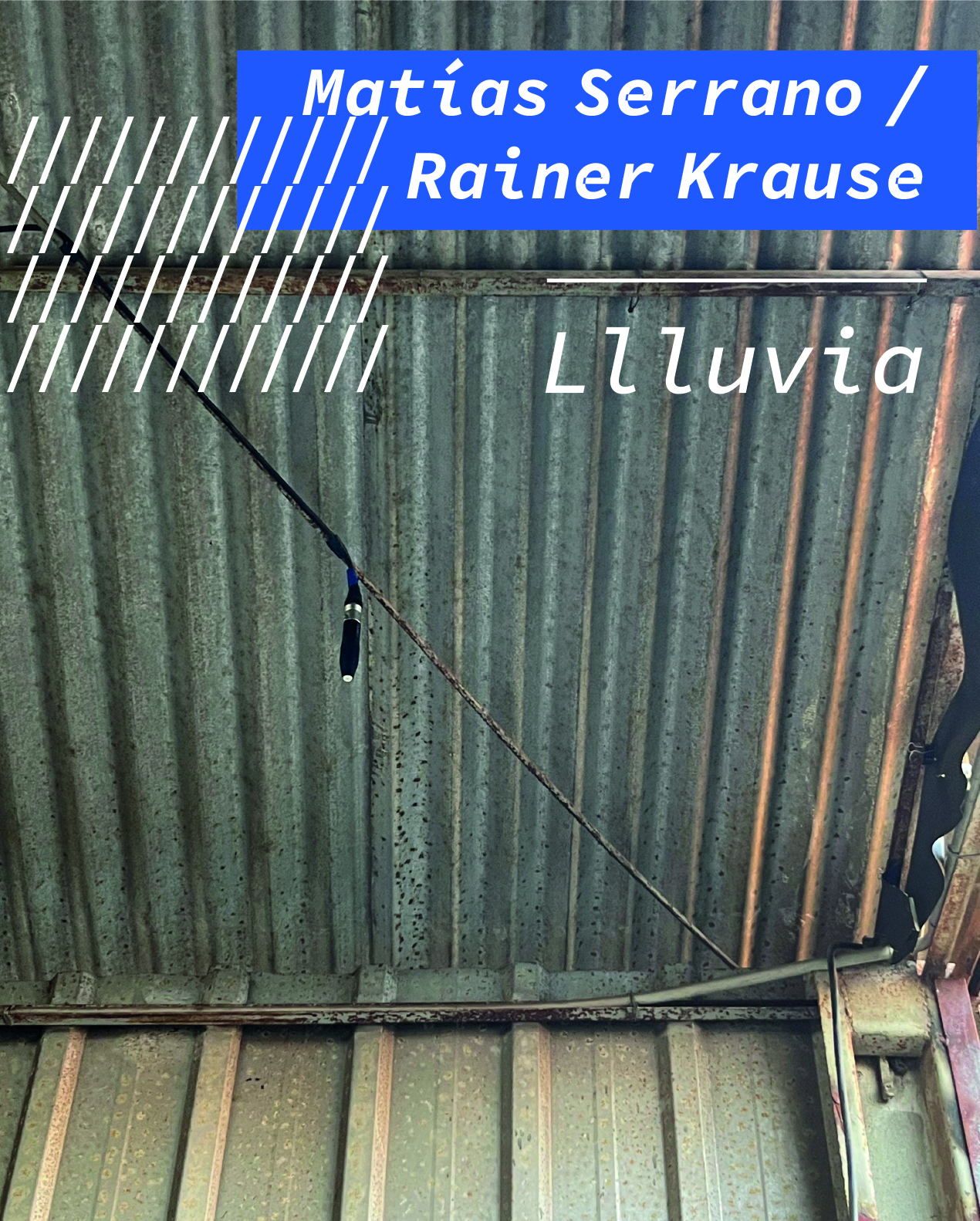
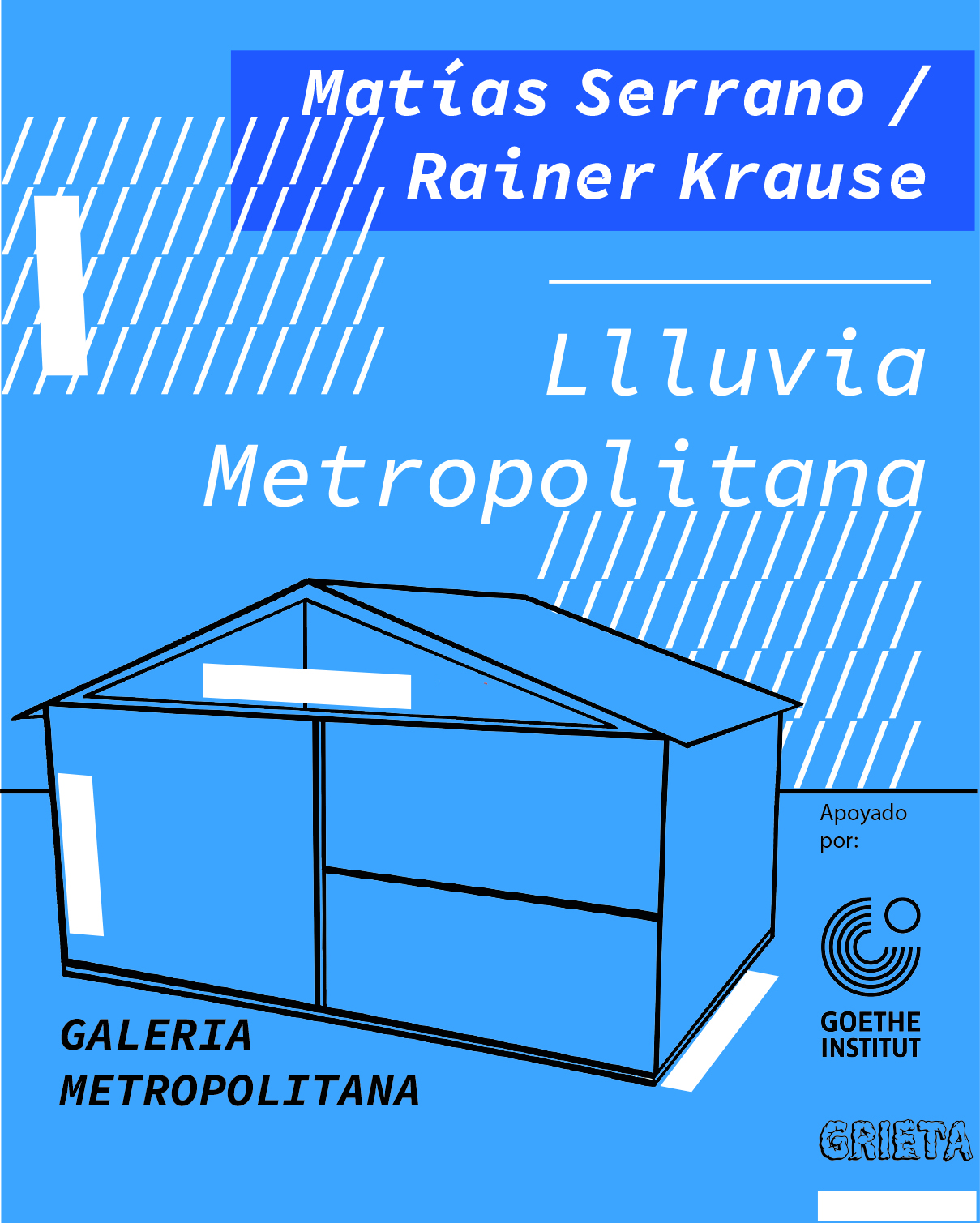
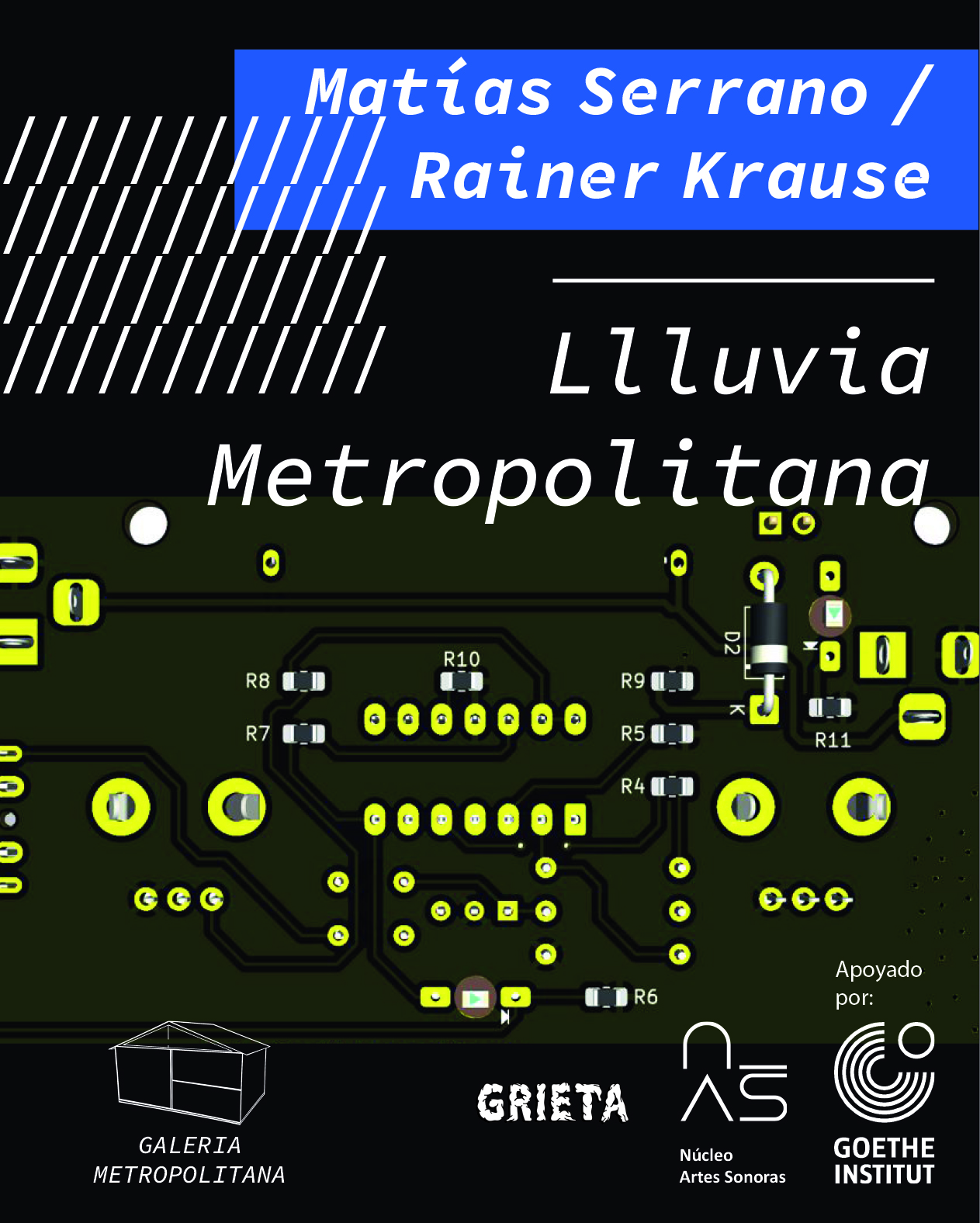
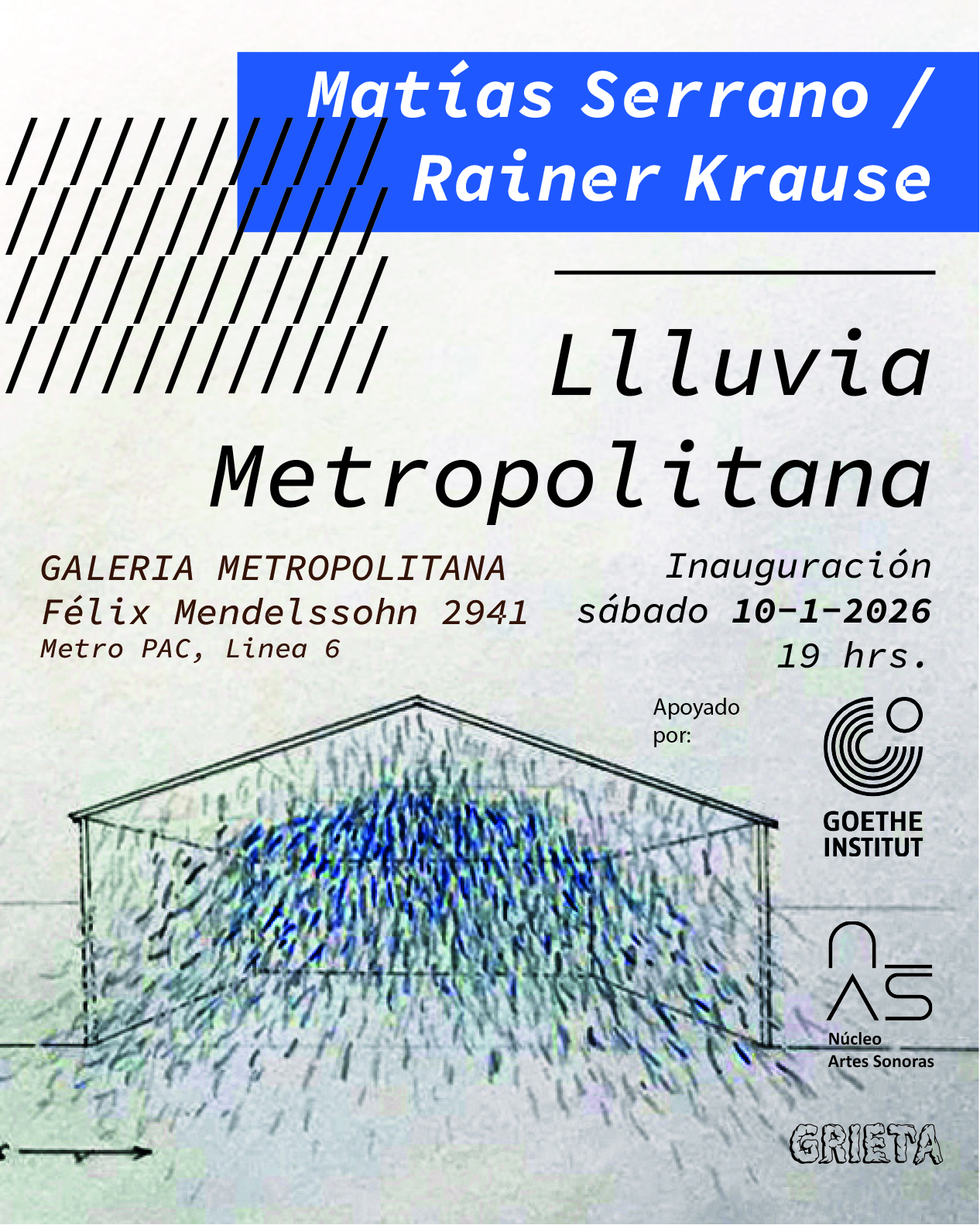
All posters for the show were designed by Rainer Krause and appeared progressively, week by week, as the opening date of the exhibition approached.
External links
- Interview for U. de Chile website and Departamento de Artes Visuales: Prof. Rainer Krause y Matías Serrano exhiben Llluvia Metropolitana / Artistas U. de Chile presentan la instalación sonora "Llluvia Metropolitana"
- Press release on Galería Metropolitana website
- Invitation and opening documentation on Instagram Plataforma Arte & Medios
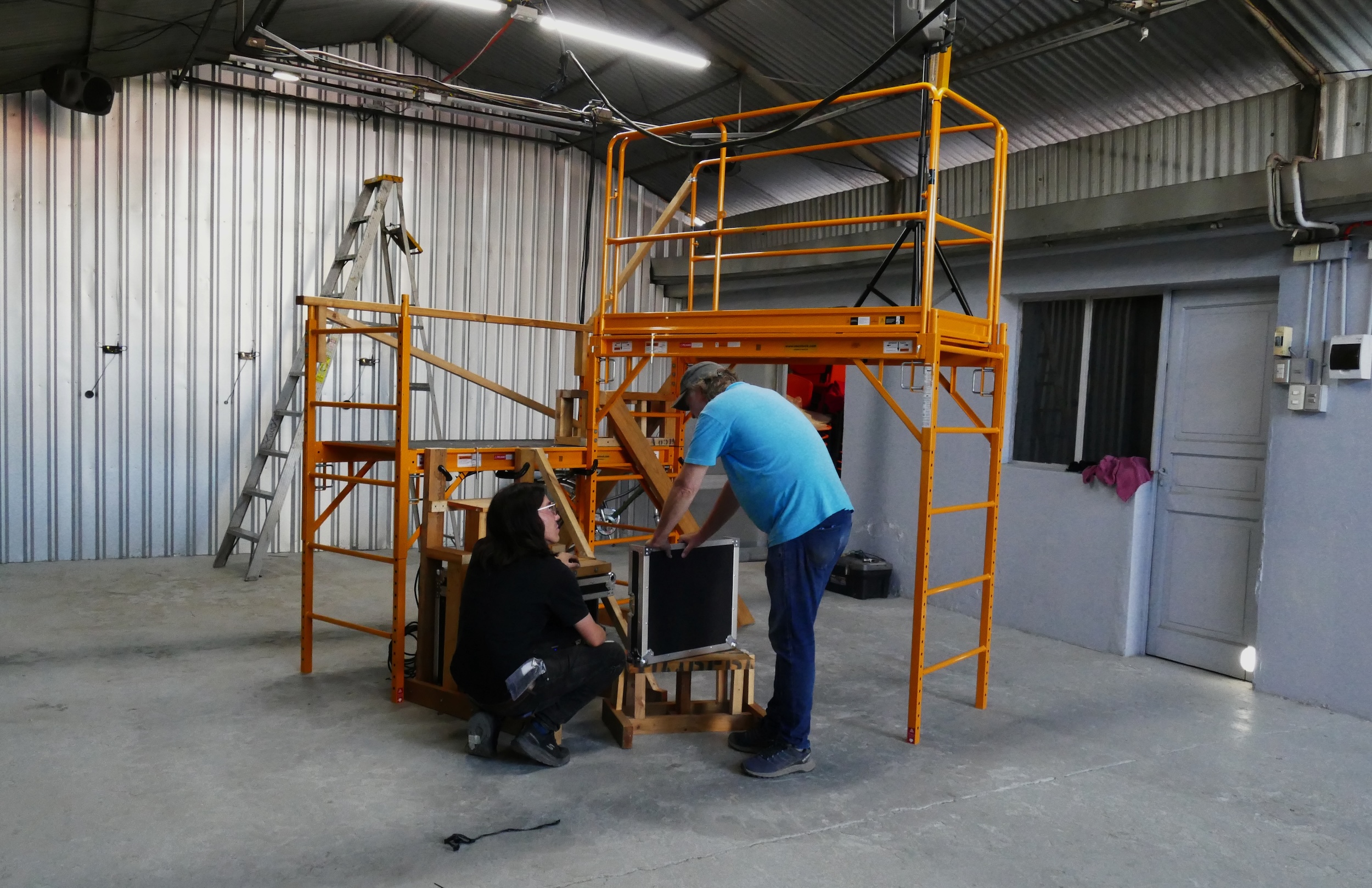
Photo: Carolina Miguieles